

























New lab-grown retinal sheets almost ready for clinical trials


A new retinal transplant technique works by preventing bipolar cells from maturing in lab-grown retinal sheets.

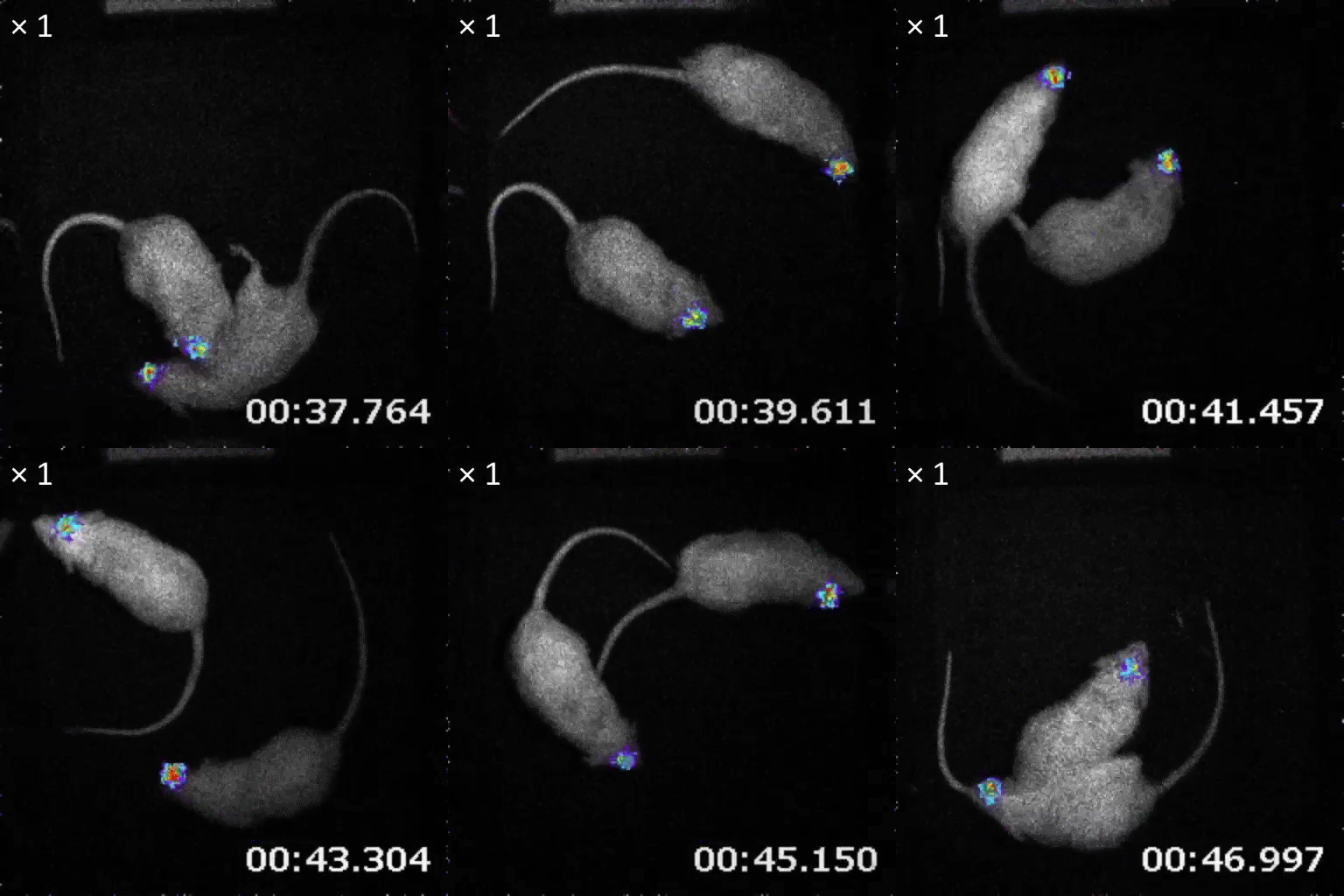
How group size affects cooperation: Insights from brain science


Using the prisoners dilemma game, brain scientists showed that larger group size reduces cooperation.

A new and improved way to store hydrogen


A simple chemical reaction allows hydrogen-carrying ammonia to be stored and retrieved cheaply and easily.

The first drug treatment for brain aneurysms (in mice)


Scientists discover that most aneurysms result from mutations. A mouse model shows they can be treated with drugs.

Organ regeneration in the lab


Interview with Takashi Tsuji, team leader of the Laboratory for Organ Regeneration at the RIKEN Center for Developmental Biology

Smoker gut bacteria reduce bowel inflammation in ulcerative colitis


Mouth bacteria that settle in the guts of smokers activate helper T-cells that counter inflammation in ulcerative colitis.

Follow Us

Topics

Latest research animations

Self-assembly of spider silk

This gut microbe might protect against diabetes and reduce insulin resistance

NEW: One-way hydrogel guides motion of tiny worms!

Latest Posts

No Results Found

The page you requested could not be found. Try refining your search, or use the navigation above to locate the post.

Mutation protects against Alzheimer’s disease in mice


Scientists discover a deletion mutation that reduces amyloid-beta plaque formation in Alzheimer’s disease model mice.

Real webshooters? Synthetic spider silk spun from artificial gland


Scientists create a microfluidic device that spins artificial spider silk from spidroins proteins, duplicating silk’s complex molecular structure.

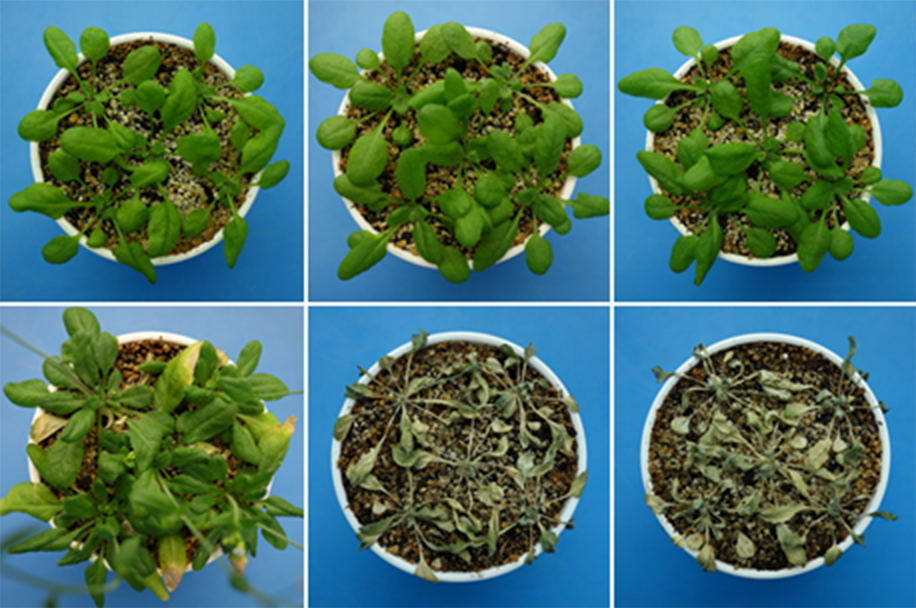
New rice fights off drought


Researchers have created drought resistant transgenic rice using a gene from a small Eurasian flowering plant

Two genes that regulate how much we dream


An international research team led by RIKEN BDR has identified a pair of genes that regulate how much REM (dream) and non-REM sleep an animal experiences.

Kleefstra syndrome in mice reversed after birth


Researchers used a postnatal supply of GLP to reverse neural and behavioral symptoms of Kleefstra syndrome in mice!

Brain wave synchrony can predict memory age


The degree of neuronal synchrony between the anterior cingulate cortex and the hippocampus during recall is an indication of memory age (in mice).

No Results Found

The page you requested could not be found. Try refining your search, or use the navigation above to locate the post.

Green hydrogen production for fuel cells and fertilizers


A new method of water electrolysis avoids rare metals, making hydrogen production green and sustainable.

Talking science Illustration with Misaki Ouchida


Whether it’s bird anatomy or science cartoons, Masaki Ouchida can do it all. She spoke with us about her career in science illustration, from the US to Japan.

How does gravity affect antimatter?


Scientists find that antimatter reacts to gravity the same way that regular matter does.

Opossums are the first genome edited marsupials


A new piezoelectronic microinjection method has allowed the first successful genome editing in marsupials: albino opossums.