










ERRg predicts atrial fibrillation and hidden comorbidity

Polygenic risk scores based on the genetic data from more that a million people predicted atrial fibrillation, stroke, and mortality.

Pathogenic genetic variation linked to H. pylori-related stomach cancer


Researchers find that the risk of stomach cancer due to infection withH. Pylori bacteria increases with specific genetic variations.

Genomic “butterfly effect” involving TADs explains risk for autism


De novo mutations in three-dimensional structures in the genome containing known ASD genes were found to be associated with ASD risk.

Protein pileup affects social behavior through altered brain signaling


When a normal cellular cleanup process is disrupted, social behavior in mice is disrupted and they start behaving in ways that resemble human symptoms of autism spectrum disorder and schizophrenia.

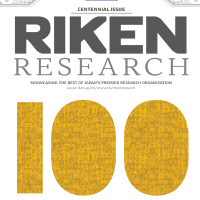
RIKEN Research Summer issue


A quick post to let you know that the Summer issue of RIKEN Research Magazine came out towards the end of June. This issue covers brain evolution, regenerating skin, super-clear synapses, and much much more! Enjoy!

Zebrafish imagine a danger-free future to avoid threats in virtual reality


By imaging the brain while zebrafish “swim” in virtual reality, scientists have learned that even fish can create internal models to predict future outcomes.

Follow Us

Topics

Latest research animations

Self-assembly of spider silk

This gut microbe might protect against diabetes and reduce insulin resistance

NEW: One-way hydrogel guides motion of tiny worms!

Latest Posts

No Results Found

The page you requested could not be found. Try refining your search, or use the navigation above to locate the post.

Crying baby? Science says walk, then sit


Recipe for success: Walk 5 min, sit 8 min, lay no-longer-crying baby down. Now you can relax.

Supermassive black holes still dark and mysterious


For the first time, scientists have measured the strength of magnetic fields near supermassive black holes and something doesn’t add up.

AI identifies features associated with cancer recurrence


Artificial intelligence has successfully identified features relevant to cancer prognosis that were not previously noted by pathologists

A new and improved way to store hydrogen


A simple chemical reaction allows hydrogen-carrying ammonia to be stored and retrieved cheaply and easily.

Consciousness, brain connections, and the claustrum


Research shows that the claustrum acts as a ‘consciousness conductor’ that synchronizes and connects areas within the mouse brain.

Tape and vermilion: ingredients for mapping artifact origins


Vermilion samples taken from ancient artifacts with sulfur-free tape can tell us about trade patterns 3000 years ago.

No Results Found

The page you requested could not be found. Try refining your search, or use the navigation above to locate the post.

New lab-grown retinal sheets almost ready for clinical trials


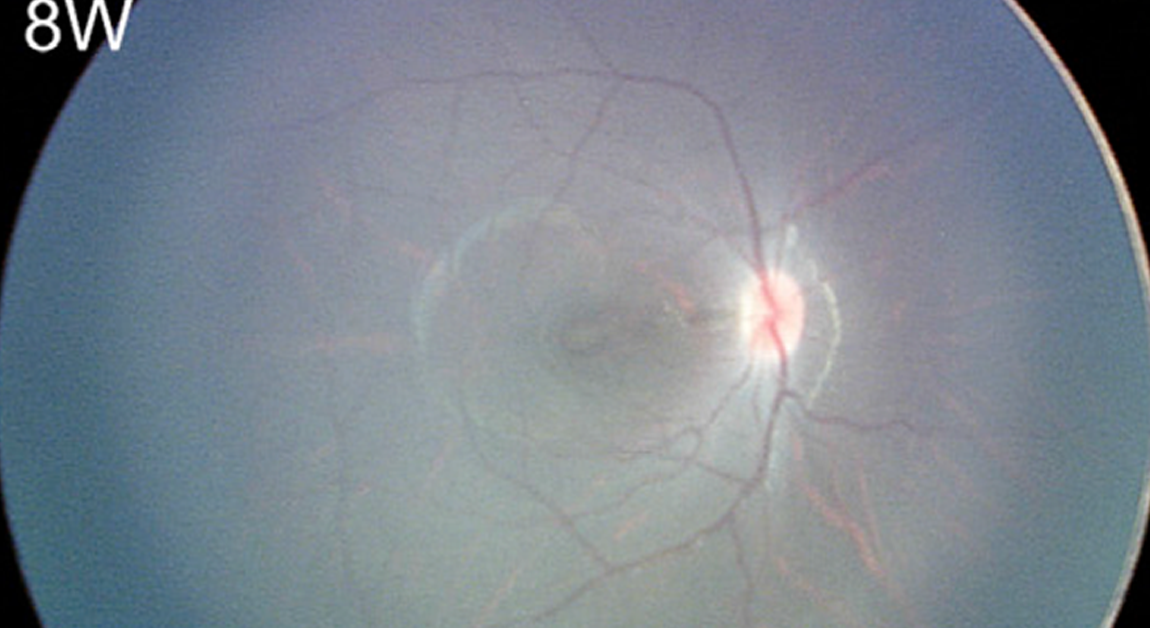
A new retinal transplant technique works by preventing bipolar cells from maturing in lab-grown retinal sheets.

Talking science Illustration with Misaki Ouchida


Whether it’s bird anatomy or science cartoons, Masaki Ouchida can do it all. She spoke with us about her career in science illustration, from the US to Japan.

Artificial gravity protects the immune system of mice in space


Mice who experienced artificial gravity on the ISS suffered less damage to their immune system (thymus) than weightless mice did.

Opossums are the first genome edited marsupials


A new piezoelectronic microinjection method has allowed the first successful genome editing in marsupials: albino opossums.