






















How group size affects cooperation: Insights from brain science


Using the prisoners dilemma game, brain scientists showed that larger group size reduces cooperation.

Root growth improved in soil contaminated with cesium


Overactivating the ABA signaling pathway in plants prevented cesium in soil from blocking root growth in plants.

Imaging whole-body cancer metastasis at the single-cell level


A new optical clearing method allows imaging of cancer metastasis at incredibly high resolution.

Ethanol pretreated soil protects plants from drought


Pretreating soil with ethanol protected plants, including wheat and rice, from the adverse effects of water deprivation.

Microcolumns: elementary neuronal units that carpet the (mouse) brain


A hexagonal lattice organizes major cell types in the cerebral cortex, with similar cells synchronizing their activity in microcolumns.

Leaky plants bad for drought resistance


The KAI2 receptor for compounds found in smoke helps plants retain water and survive during drought.

Follow Us

Topics

Latest research animations

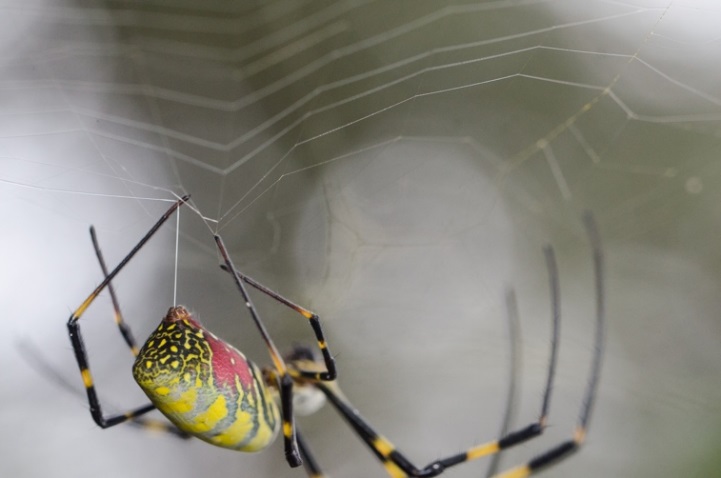
Self-assembly of spider silk

This gut microbe might protect against diabetes and reduce insulin resistance

NEW: One-way hydrogel guides motion of tiny worms!

Latest Posts

No Results Found

The page you requested could not be found. Try refining your search, or use the navigation above to locate the post.

A researcher’s journey: from surfing to studying pain


Joshua Johansen from RIKEN CBS tells us about his journey from surfer to pain researcher and beyond. Stay tuned for part II …

Brainless memory makes the spinal cord smarter than previously thought


The spinal cord learns how to direct limb muscles to avoid aversive sensations and recalls the memories using separate neural circuitry. Oh, and without a brain!

Gut bacteria in babies predict childhood food allergies


Scientists found that one-month-old infants with certain gut bacteria were less likely to develop food sensitivities and food allergies later in childhood.

Deadly fungi beaten with fatty acid synthase inhibitor


A new approach to attacking fungi involves inhibiting a gene needed for making fatty acids.

Quick, call Spiderman: scientists discover how spider silk is formed


A group of scientists led by researchers have discovered a key mechanism through which spider silk is formed.

Sphingolipid S1P: Potential new target for schizophrenia treatment


Sphingolipid S1P is reduced in brain white matter of people with schizophrenia, making S1P receptors a good target for new treatments.

No Results Found

The page you requested could not be found. Try refining your search, or use the navigation above to locate the post.

Eating a high fat diet without getting obese?


Scientists discover that without innate immune cells in the intestines, eating a high fat diet does not lead to obesity in mice.

New lab-grown retinal sheets almost ready for clinical trials


A new retinal transplant technique works by preventing bipolar cells from maturing in lab-grown retinal sheets.

Super-thin wearable electronics just got more flexible


A method for making super-flexible and ultra-thin wearable electronics uses water-vapor plasma to create gold-gold bonds.

Why (mouse) mothers take risks to protect their infants


The calcitonin receptor and its ligand amylin act in the brain to motivate mouse mothers to protect their pups, even in risky/dangerous situations.