






























Quick, call Spiderman: scientists discover how spider silk is formed


A group of scientists led by researchers have discovered a key mechanism through which spider silk is formed.

Protein pileup affects social behavior through altered brain signaling


When a normal cellular cleanup process is disrupted, social behavior in mice is disrupted and they start behaving in ways that resemble human symptoms of autism spectrum disorder and schizophrenia.

Microbial infections are a parasitic plant’s dream


Parasitic plants use quinones produced by their host to attack. Now we know that crops produce quinones as an immune response against microbial infection. How can we protect crops from both kinds of attack?

Brain wave synchrony can predict memory age


The degree of neuronal synchrony between the anterior cingulate cortex and the hippocampus during recall is an indication of memory age (in mice).

The first drug treatment for brain aneurysms (in mice)


Scientists discover that most aneurysms result from mutations. A mouse model shows they can be treated with drugs.

Proton and antiproton still seem identical


Using a novel two-particle measurement method, scientists have measured the magnetic moment of the antiproton at a precision 350 times higher than any previous measurement.

Follow Us

Topics

Latest research animations

Self-assembly of spider silk

This gut microbe might protect against diabetes and reduce insulin resistance

NEW: One-way hydrogel guides motion of tiny worms!

Latest Posts

No Results Found

The page you requested could not be found. Try refining your search, or use the navigation above to locate the post.

Green hydrogen production for fuel cells and fertilizers


A new method of water electrolysis avoids rare metals, making hydrogen production green and sustainable.

Stem cell exhaustion and proliferation: An aging fly’s tale


Blocking the gene ced-6 led to stem cell exhaustion in aging fruit flies and prevented repair of damaged intestines.

Skipping fatty acids could be recipe for schizophrenia


Prenatal lack of omega-3 and omega-6 fatty acids linked to epigenetic changes that lead to schizophrenic symptoms in mice.

Plant peptide spells relief from salty stress


Newly discovered plant peptide hormone can be used to protect plants from excessive environmental salt.

Next stop: clinical hair regeneration


A new recipe for continuous cyclical hair regeneration in mice. This means that the hair will continue to fall out and regrow like normal hair.

CAPON links Alzheimer’s plaques to neurodegeneration


CAPON was found to link Aβ plaques and hippocampal neurodegeneration in mice, explaining how these two hallmarks of Alzheimer’s disease are related.

No Results Found

The page you requested could not be found. Try refining your search, or use the navigation above to locate the post.

Diazoxide pills for Alzheimer’s disease?


Drug therapy with with diazoxide relieved symptoms of Alzheimer’s disease in the brains of mice and improved memory.

Opossums are the first genome edited marsupials


A new piezoelectronic microinjection method has allowed the first successful genome editing in marsupials: albino opossums.

Transgenic plants ??on acid survive without water


Scientists designed transgenic plants that survive drought-like conditions by bumping up acetic acid production only when water is scarce.

Why (mouse) mothers take risks to protect their infants


The calcitonin receptor and its ligand amylin act in the brain to motivate mouse mothers to protect their pups, even in risky/dangerous situations.
Dec

11

Science communication symposium

Science communication symposium


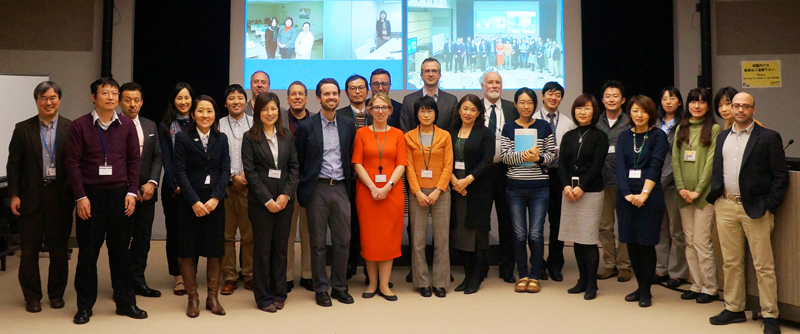
Friday I participated in a small symposium that focused on science communication (for institutions in Japan). We discussed using social media as a means to self-publish wow! and amazing! research findings. Here are some of my thoughts about how useful this plays out in Japan.

read more