All Posts
Jun
25
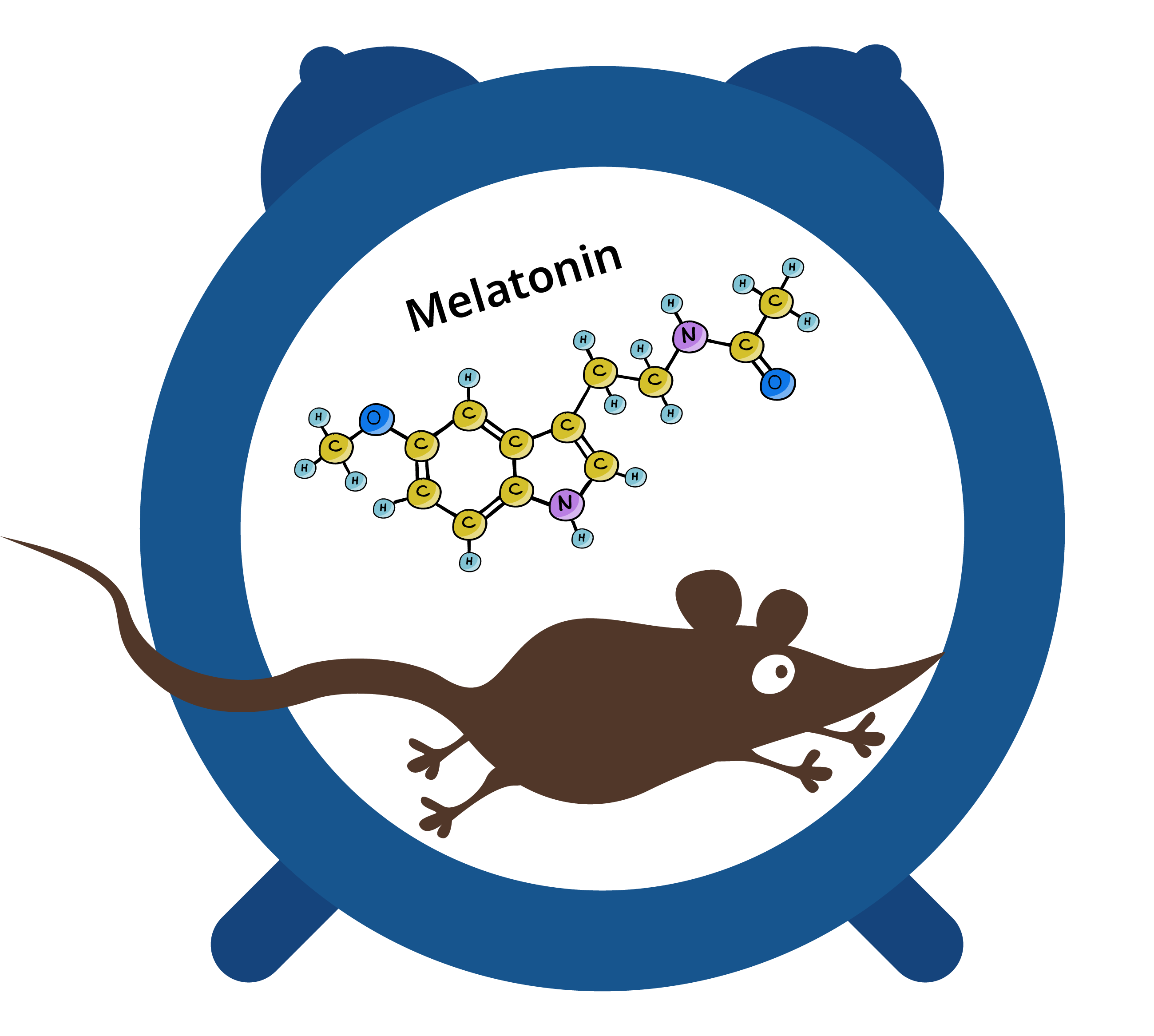
Melatonin in mice, circadian rhythms, and daily torpor
Jun
2
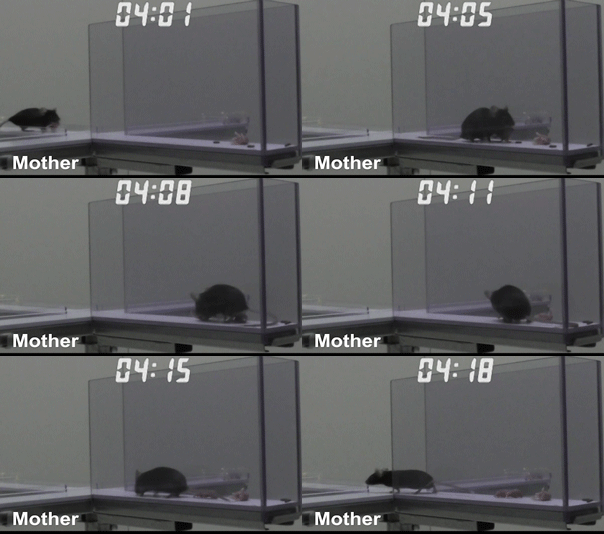
Why (mouse) mothers take risks to protect their infants
May
26
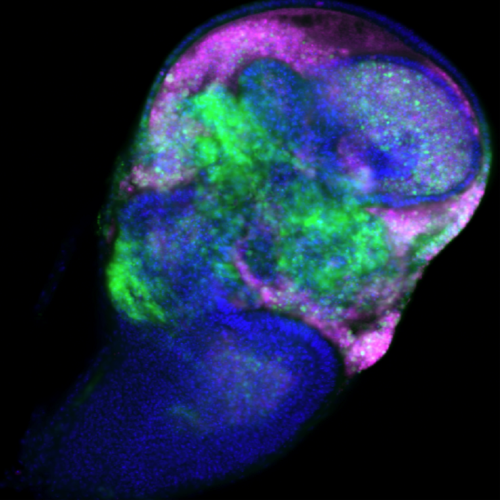
Dietary amino acid linked to cancer in flies
Apr
30
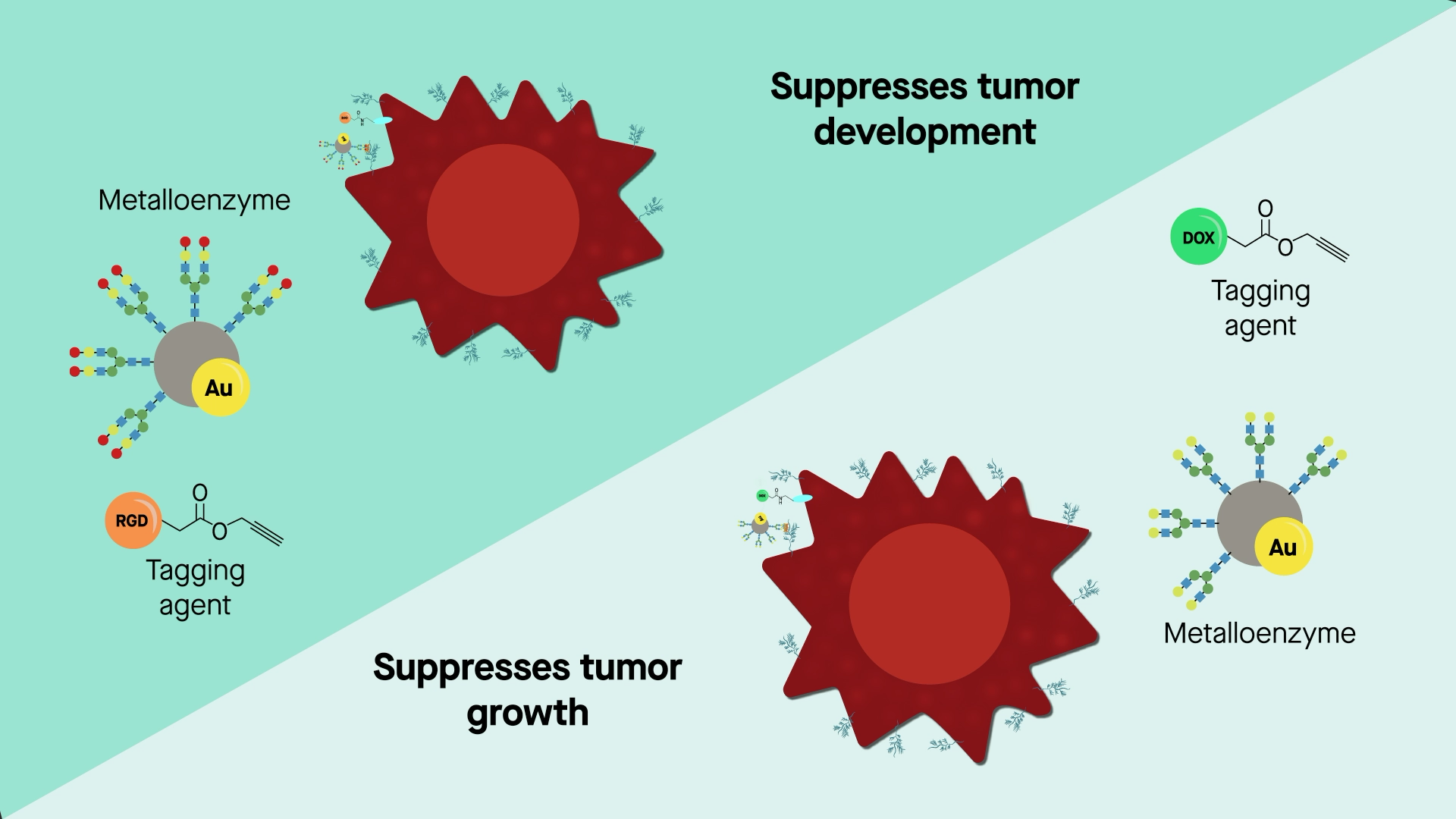
Cancer cells killed with artificial glycosylated metalloenzyme
Apr
9
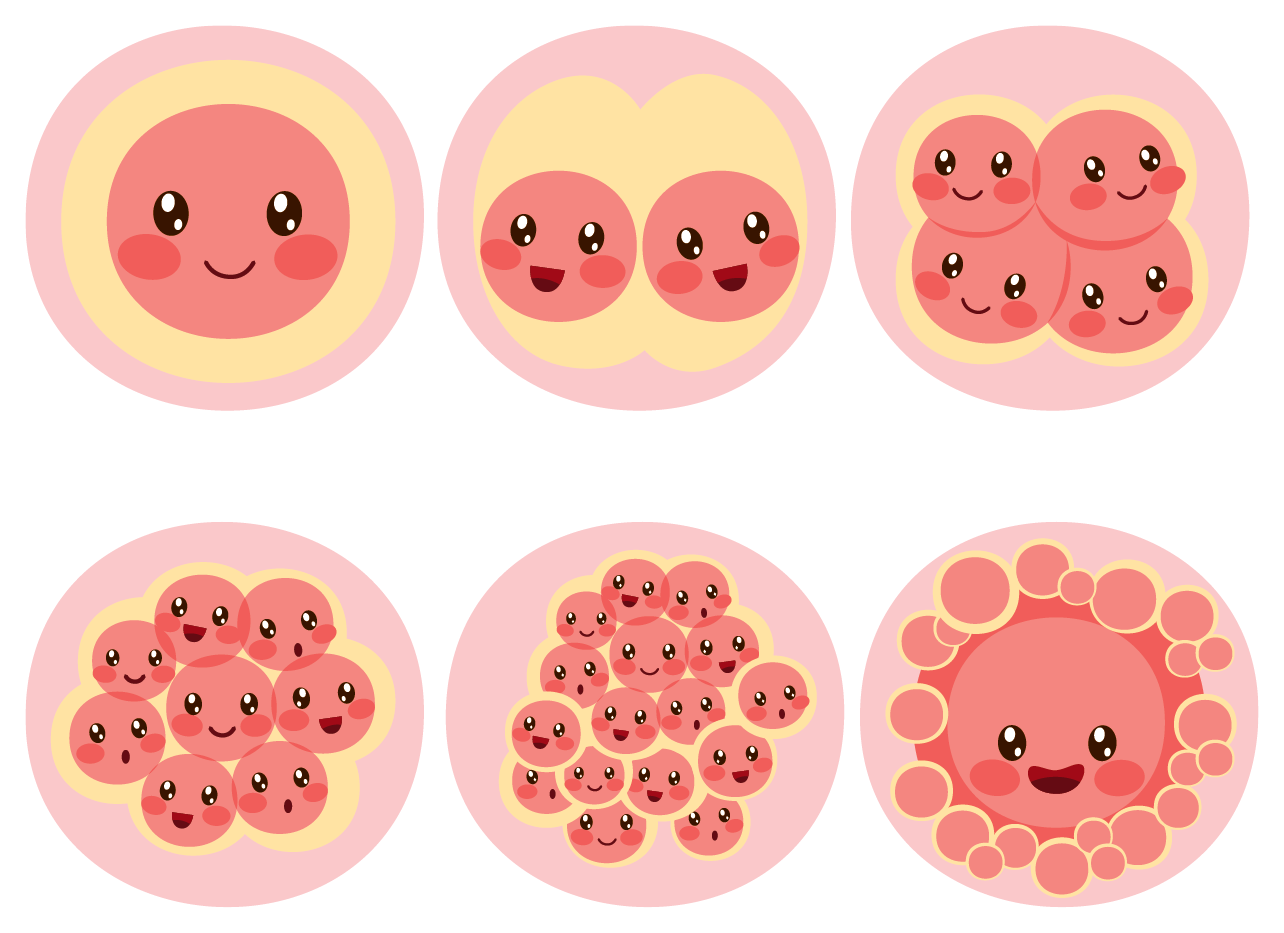
H2AK119ub1: How you inherit acquired traits from your mom
Apr
8

COVID-19: Changing the way we do research
Mar
26

Telework: a societal game-changer
Mar
18

Decision-making during the COVID-19 pandemic
Mar
5
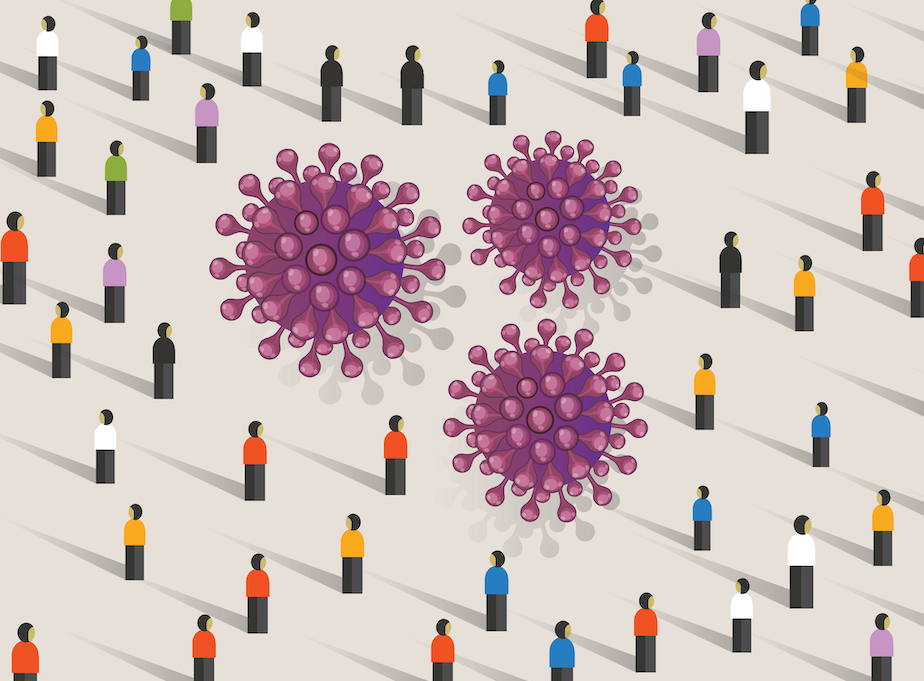
Confronting a string of epidemics including COVID-19
Feb
19
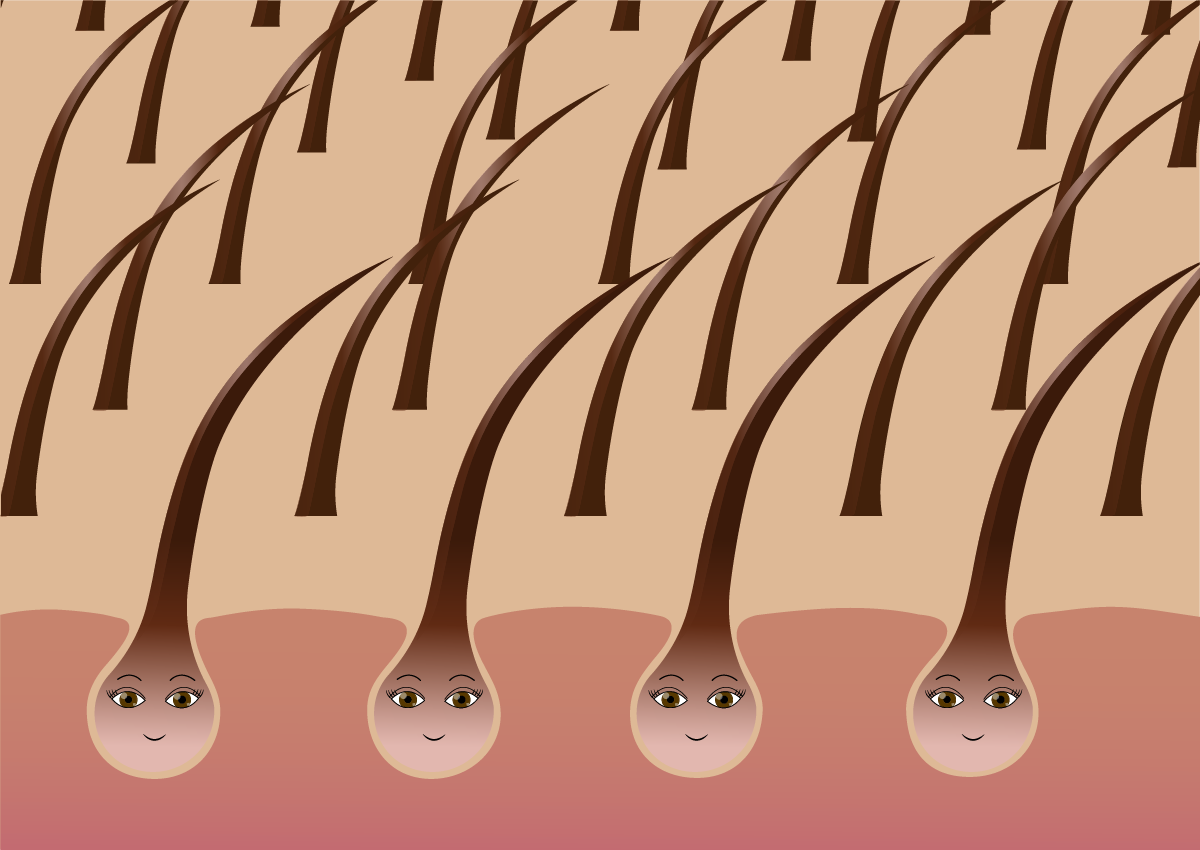
Next stop: clinical hair regeneration
Jan
22
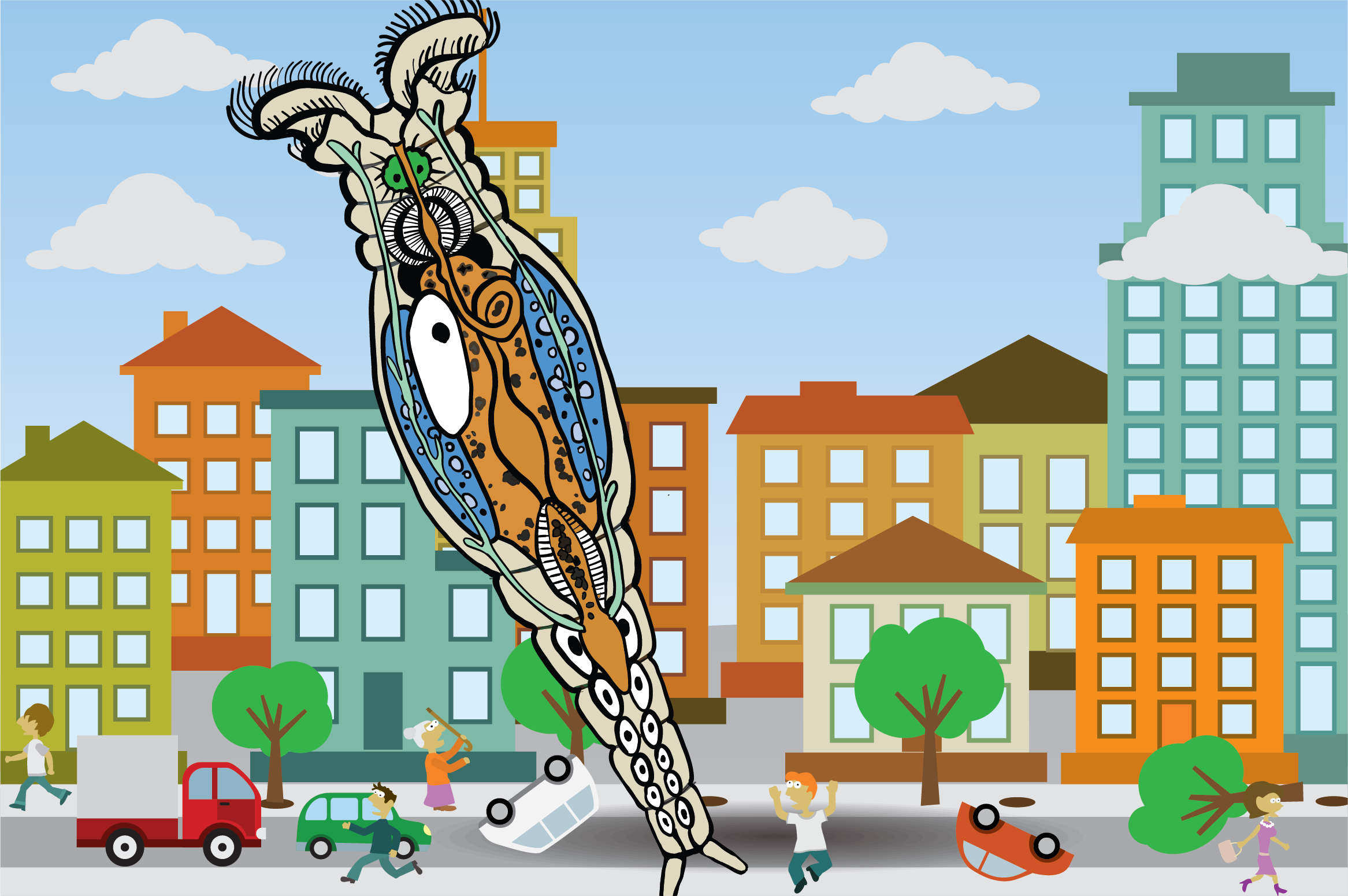
Godzilla-sized zooplankton for better aquafarming
Dec
10
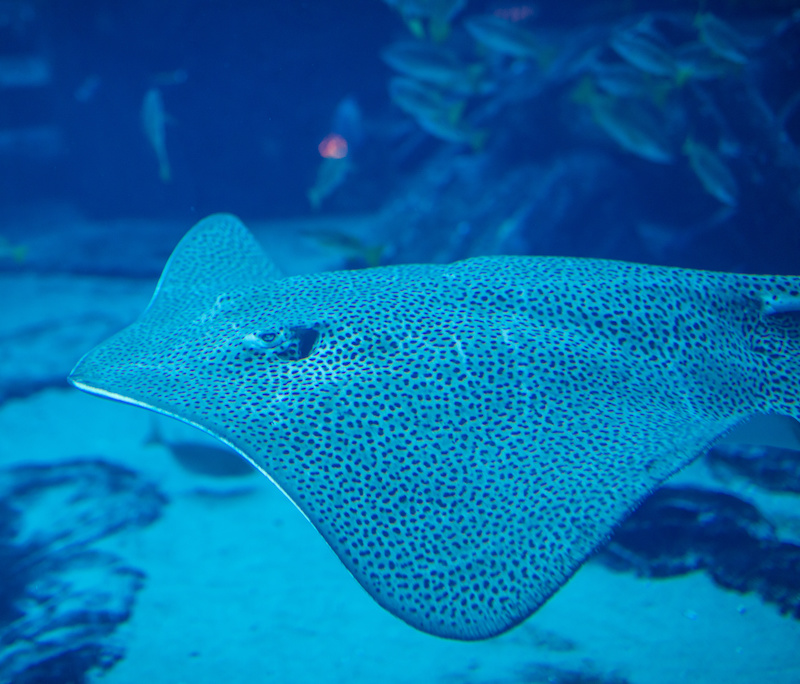
Electric rays to help us map the ocean floor
Nov
26
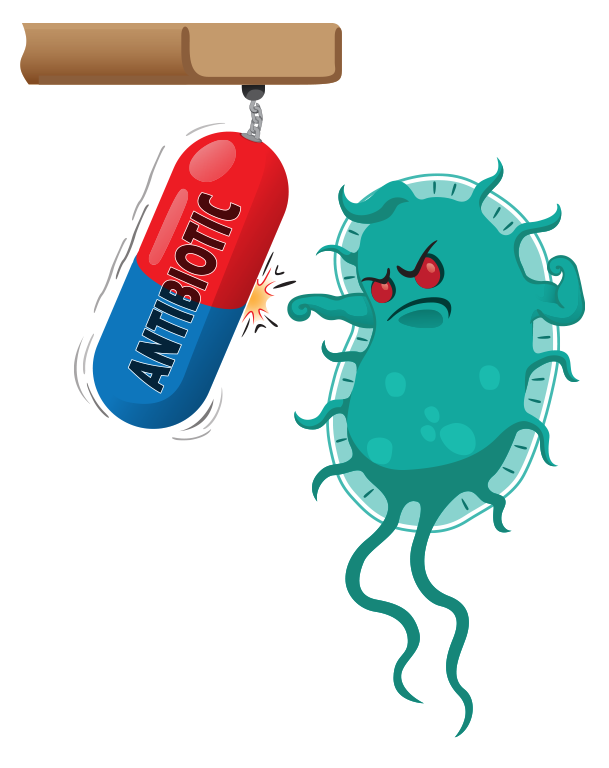
Bacterial drug resistance studied by robotic E. coli evolution
Nov
9
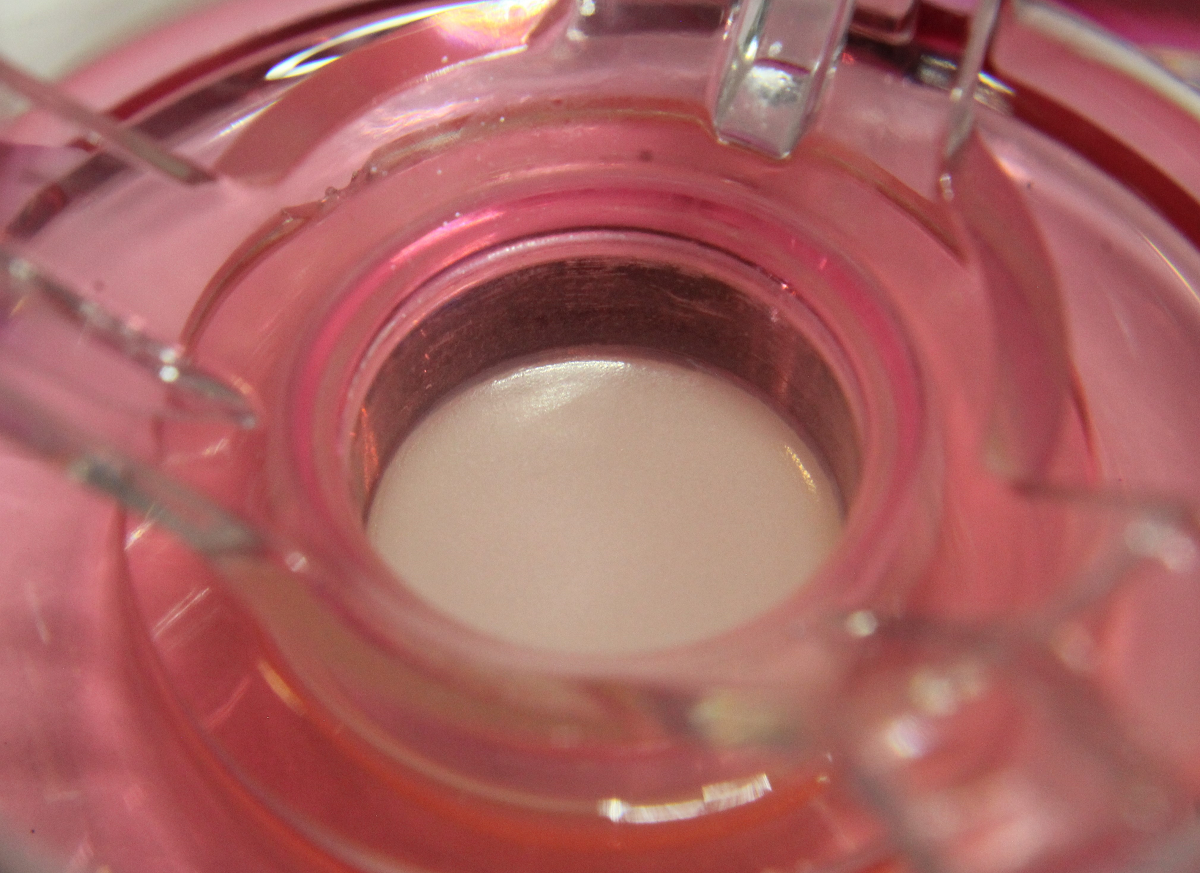
New artificial skin helps avoid animal testing
Oct
2
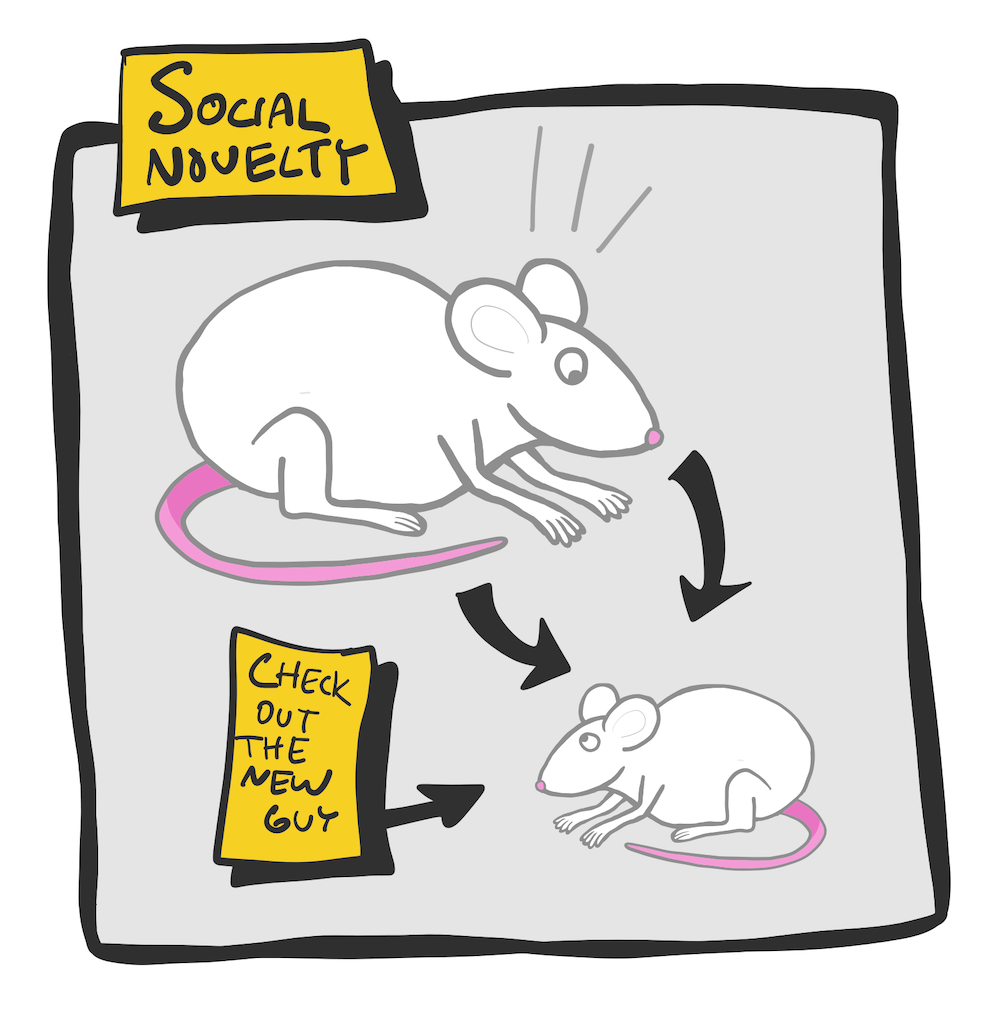
Social novelty in the brain: haven’t I seen you someplace before?
Sep
11
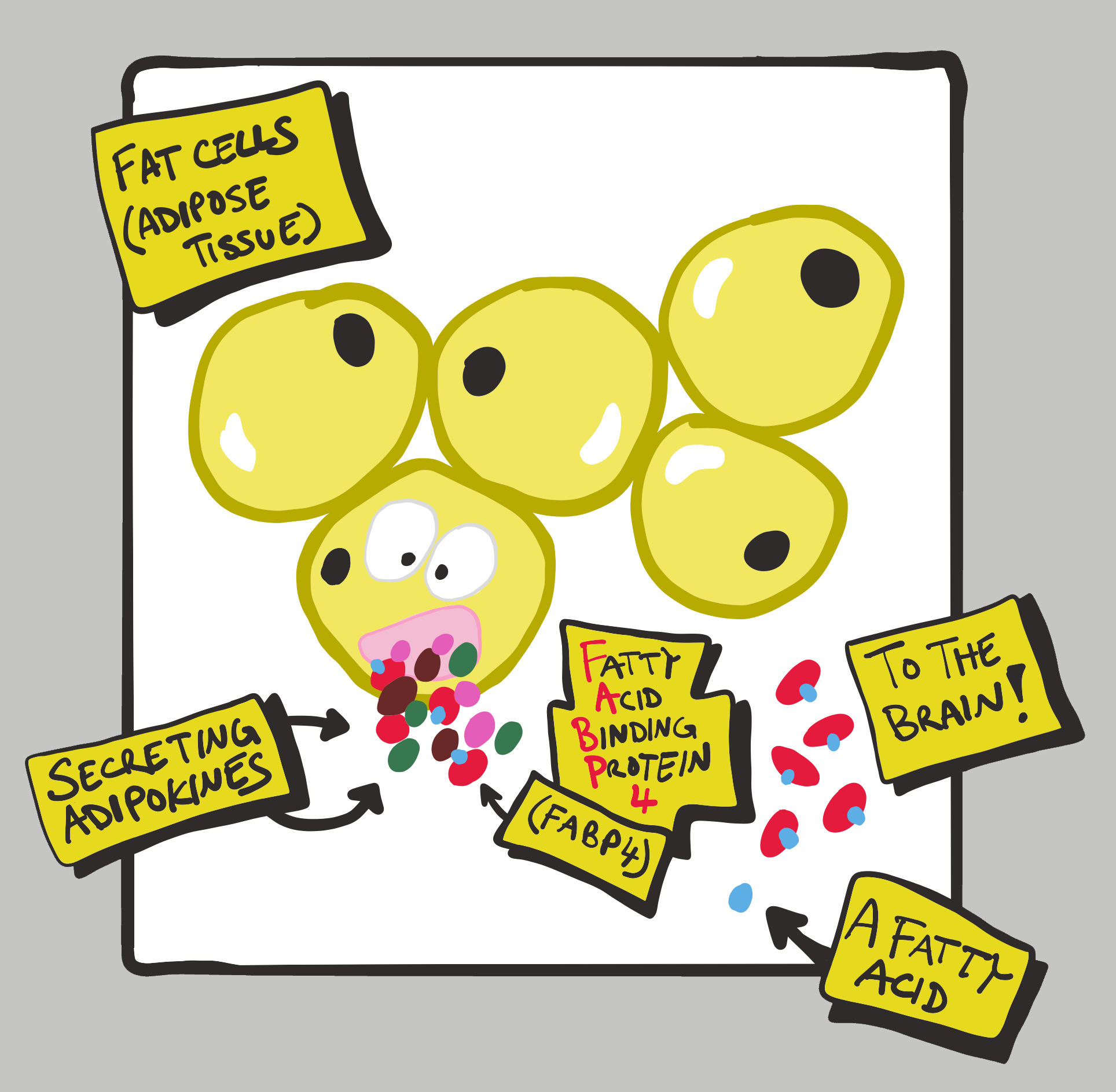
FABP4: A preschool-aged biomarker for autism
Sep
3
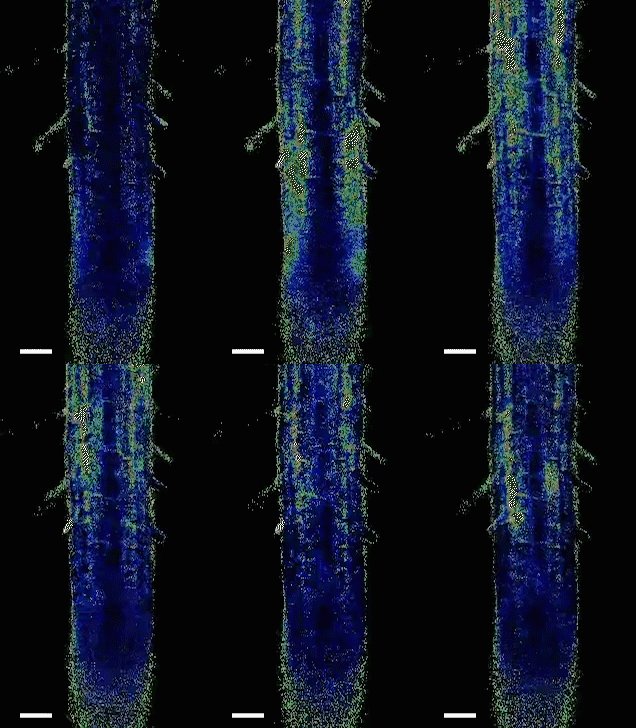
Microbial infections are a parasitic plant’s dream
Aug
27